Science News
 American
Science News for 22 July 2026
American
Science News for 22 July 2026
Magic mushrooms may reshape the brain long after the trip ends
Science Daily - 22 Jul 2026 00:12
A single dose of psilocybin produced measurable changes in brain activity and possible changes in brain structure that lasted for up to a month. Participants who experienced the greatest increase in flexible, varied brai...
'Once we were like you': Striking reconstructions reveal the faces of 16 people from Roman-era Hungary
Live Science - 22 Jul 2026 23:17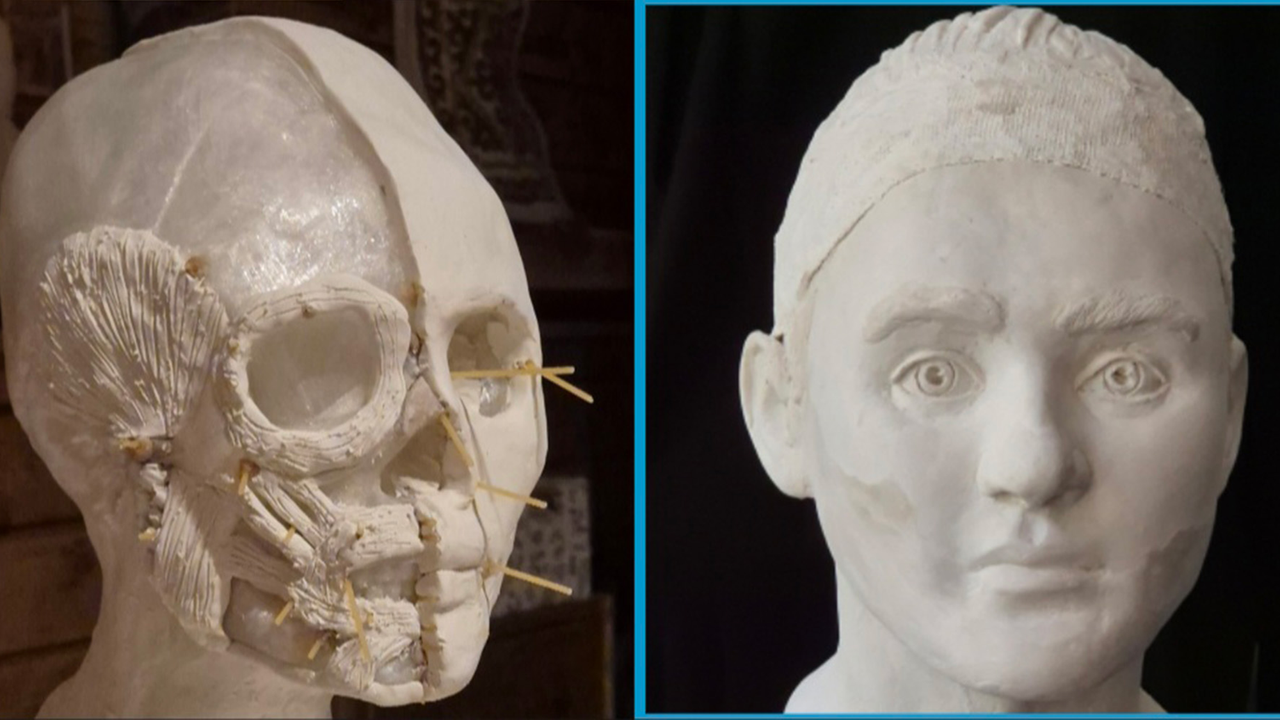 DNA analysis, 3D-printed skulls and forensic sculpture helped experts recreate people who lived near the ancient Roman frontier city of Aquincum nearly 1,700 years ago.
NASA's New Horizons spacecraft awakens from yearlong hibernation to do unprecedented science beyond Pluto
Live Science - 22 Jul 2026 22:06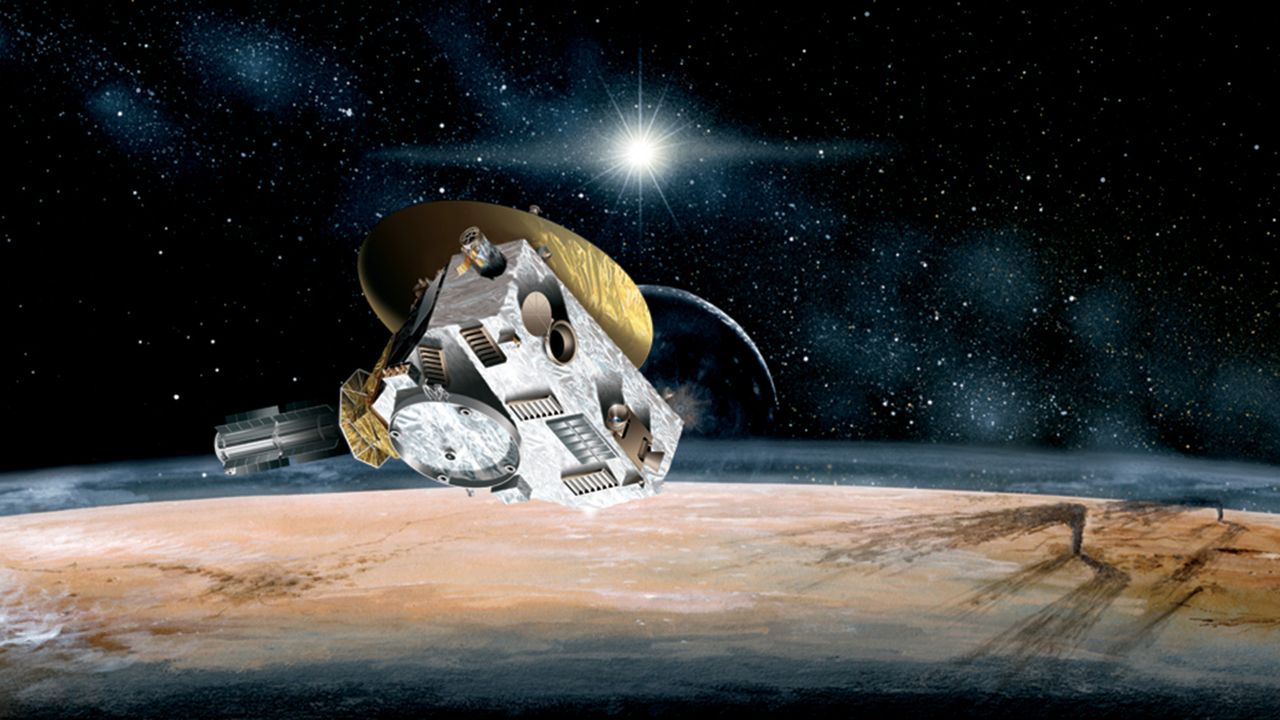 NASA's record-breaking New Horizons spacecraft has awoken from a 321-day hibernation in "good health" as it resumes unprecedented science at the solar system's edge.
Scientists discover the hidden brain switch that assigns bees their jobs
Science Daily - 22 Jul 2026 21:10
Researchers found that specific brain circuits help decide which jobs bees perform as they age. When those circuits were switched off, older worker bees began caring for the queen again instead of carrying out their norm...
Fruit Flies Use Memory to Track Smells
Neuroscience News - 22 Jul 2026 20:52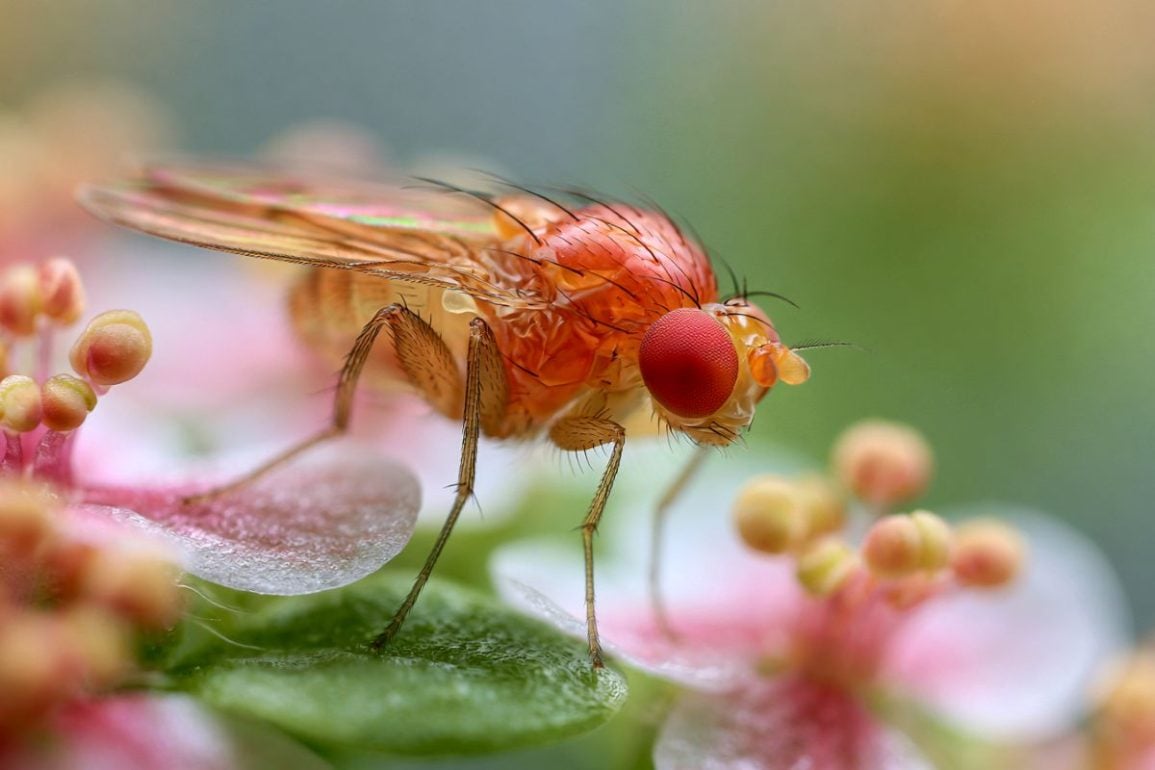 A new study reveals that fruit flies use spatial memory, rather than simple reflexes, to track odors.
New Chip Matches Real-Time Human Brain Speed
Neuroscience News - 22 Jul 2026 20:41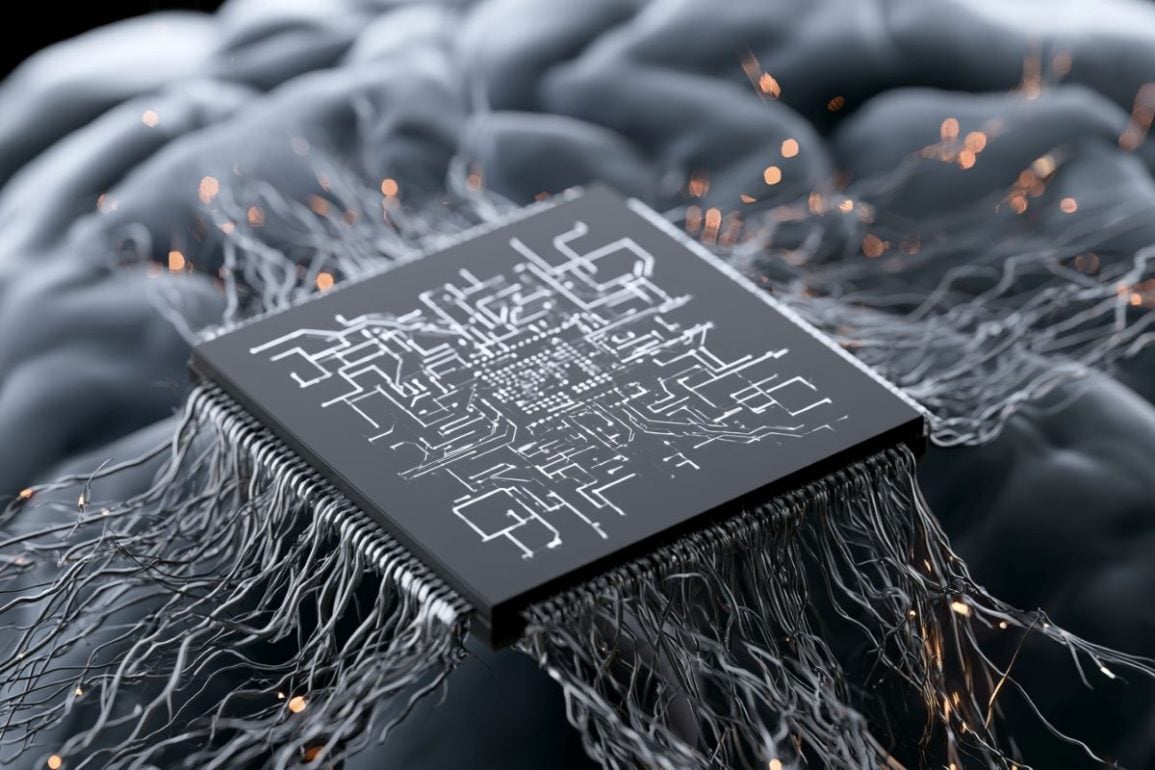 A new study presents the world's first neuromorphic chip capable of matching the operational speed of the human brain.
B-Cell Depletion Recruits Protective Gut Cells in MS
Neuroscience News - 22 Jul 2026 20:16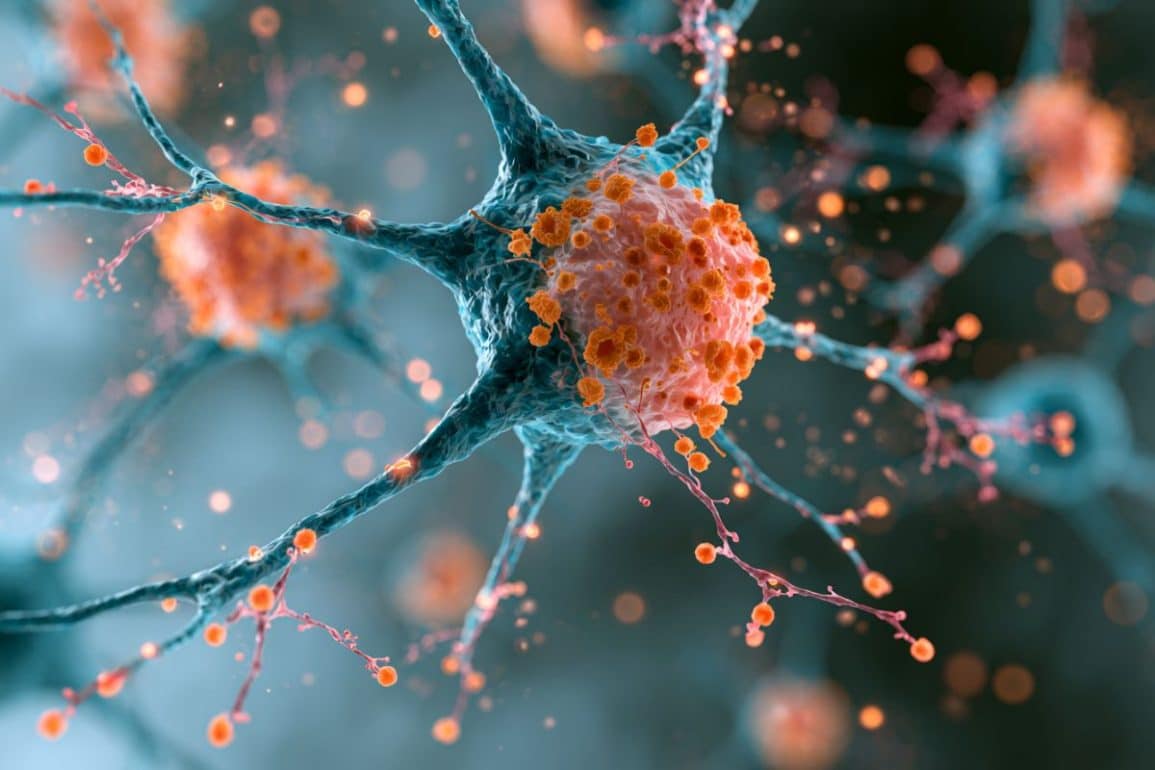 B-cell depletion therapies in multiple sclerosis (MS) work in part by mobilizing protective B cells from the gut.
Moths Pair Dominant Eyes with Proboscis to Save Brain Power
Neuroscience News - 22 Jul 2026 19:47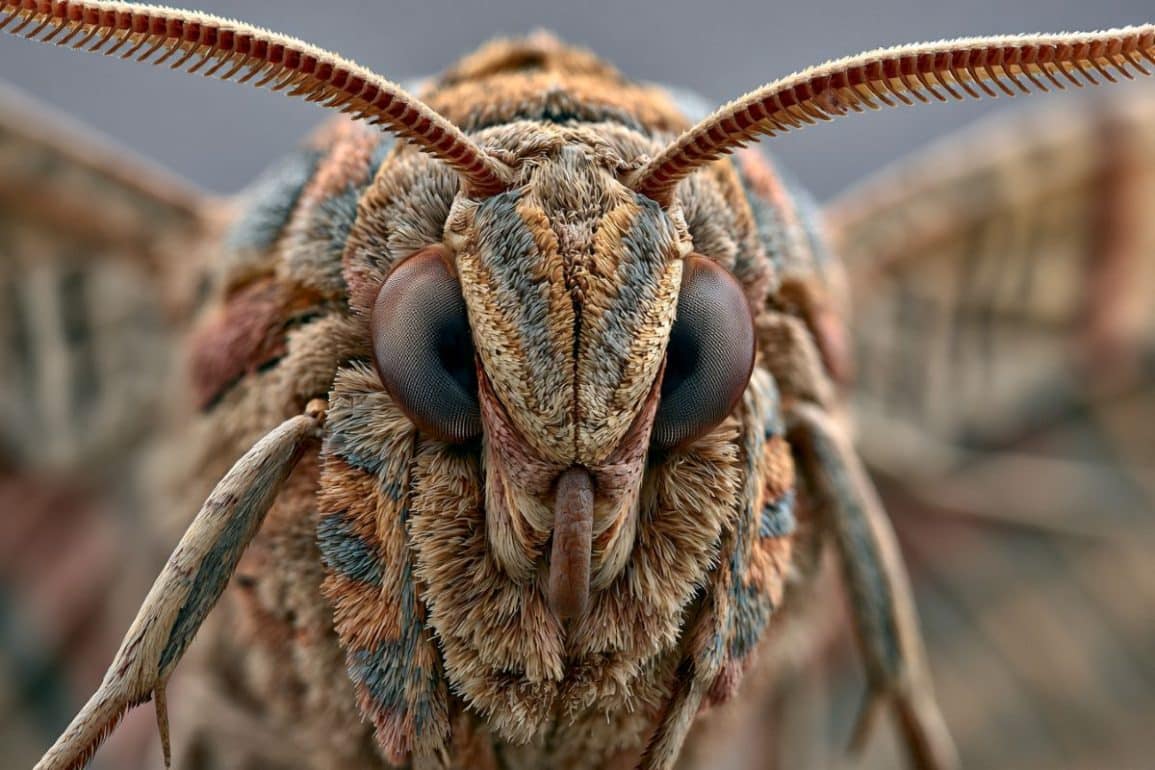 Hummingbird hawkmoths (Macroglossum stellatarum) exhibit an innate "handedness" when extending their proboscis to forage on flowers.
Combining Bee Venom and L-DOPA to Treat Parkinsons Disease
Neuroscience News - 22 Jul 2026 18:41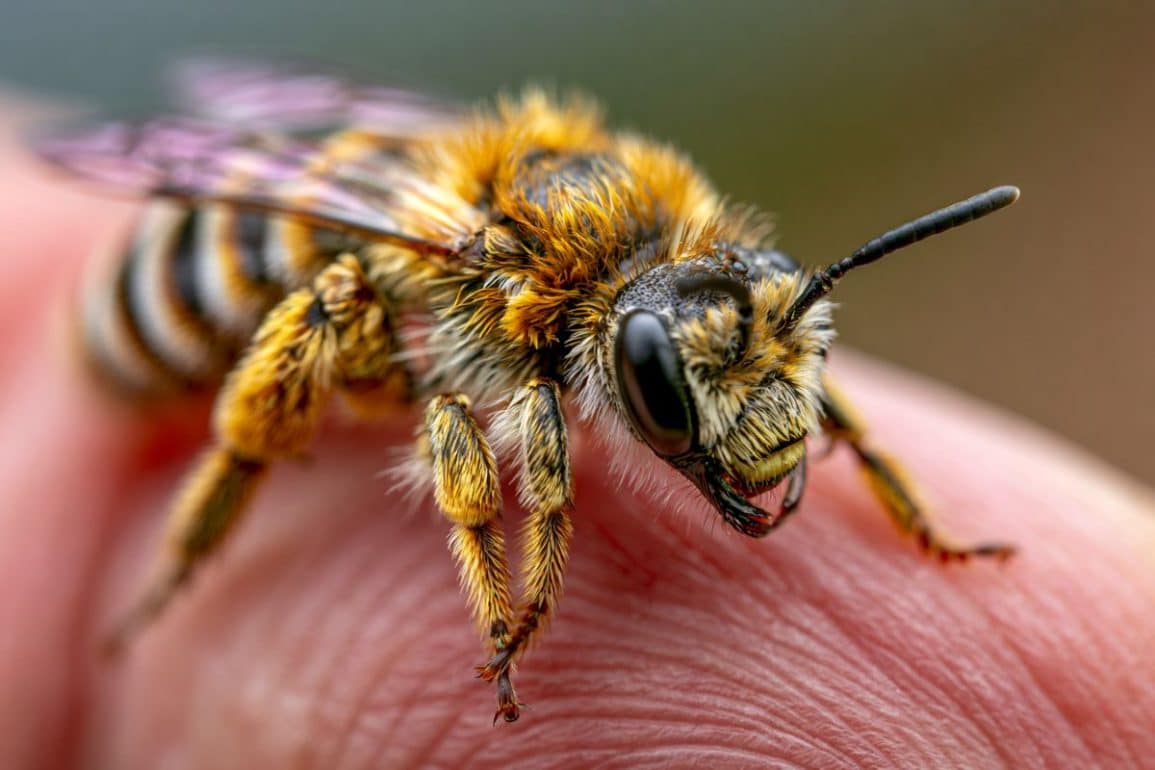 A new study demonstrates that combining bee venom with standard L-DOPA/carbidopa therapy improves motor and cognitive outcomes in a mouse model of Parkinson's disease.
The Brain Has Microscopic Exit Doors for Toxic Proteins
Neuroscience News - 22 Jul 2026 18:27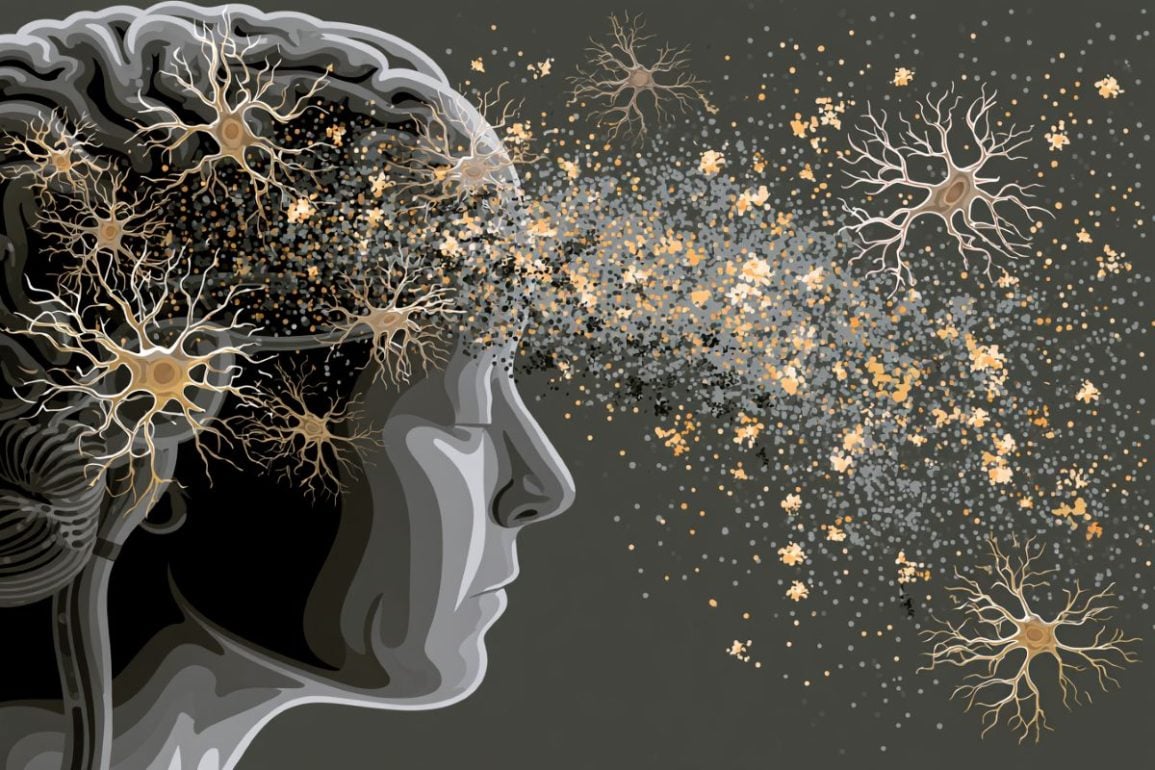 Researchers discovered the primary structural gateway allowing cerebrospinal fluid (CSF) to clear metabolic waste from the brain.
Water-surface vortices drive tiny rotors without electricity, magnets or chemicals
Phys.org - 22 Jul 2026 18:00
Reliably generating controlled miniature rotations has long been a challenge: Chemical propulsion systems wear out, and methods that use electric or magnetic fields require complex setups. A team from KIT's Institute...
Focused Ultrasound Delivers miRNA to Treat Glioblastoma
Neuroscience News - 22 Jul 2026 17:58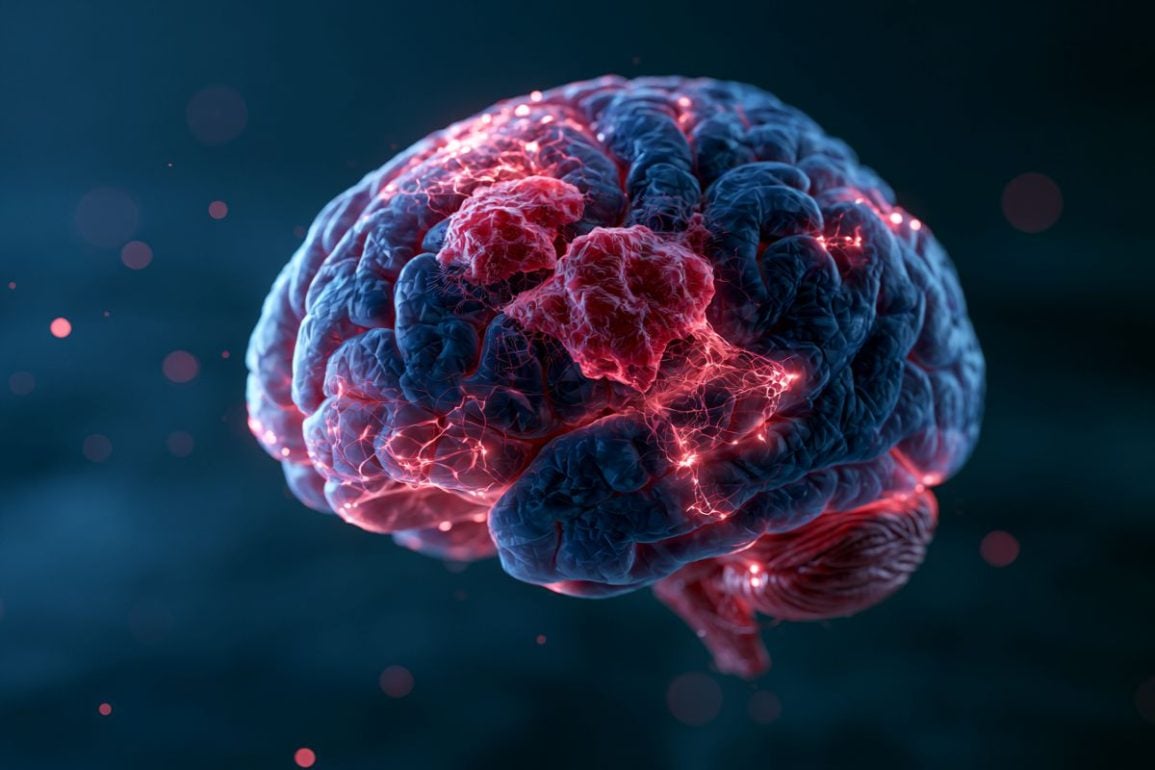 Researchers developed a novel therapeutic approach to combat glioblastoma, the deadliest primary brain cancer.
Mice on 'godforsaken' frozen volcanoes eat toxic plants to survive conditions 'not remotely compatible with long-term human survival'
Live Science - 22 Jul 2026 17:54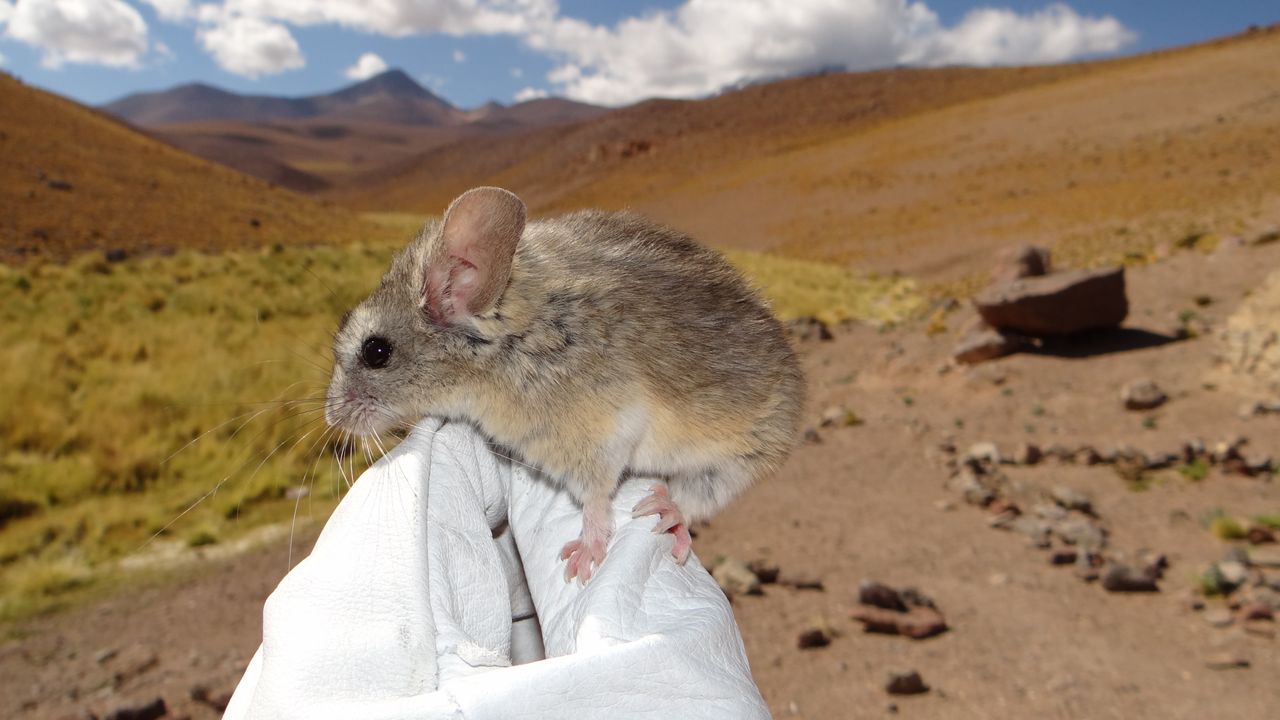 Researchers risked their lives to study Andean leaf-eared mice on the inhospitable peaks of the Puna de Atacama volcanoes in Chile.
Sacrificed Inca children died very differently than we thought, study finds
Live Science - 22 Jul 2026 17:05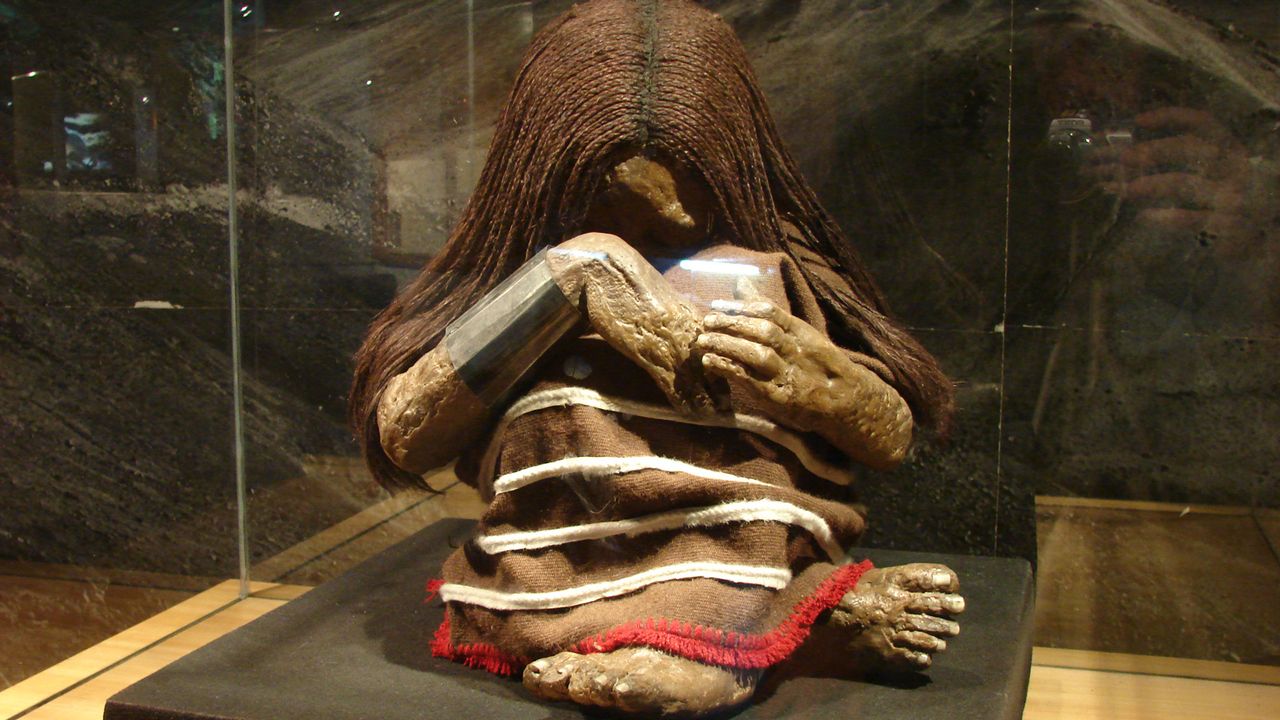 A new look at three children who died in the Inca human sacrifice ceremony known as Capacocha reveals their last few months and moments.
Plasma design rules show how to preserve attosecond flashes for observing electrons
Phys.org - 22 Jul 2026 17:00
Researchers at Skoltech, together with a colleague from the Shanghai Institute of Optics and Fine Mechanics of the Chinese Academy of Sciences, working within the joint SIOM-Skoltech laboratory, have determined how to se...
Why open-source software can be both good and bad
New Scientist - 22 Jul 2026 17:00 Software that is free to use creates many opportunities - not all of which are good
Are flies following a strategy when they keep hitting a window? Part 2
New Scientist - 22 Jul 2026 17:00
Readers take issue with a former answer to this question, arguing for the different behaviour of wasps and flies - and for a more defined plan of escape than has previously been posited
How do fish recognise others of their own species? Part 2
New Scientist - 22 Jul 2026 17:00
Another expert reader explores this thorny topic, including reference to the behaviour of their own archerfish
Is it true that fresh air heats up faster than stale air? If so, why?
New Scientist - 22 Jul 2026 17:00
Readers weigh in on this one, debating everything from the meaning of stale air to its heat capacity
Sunshine can help with some serious health problems, argues a new book
New Scientist - 22 Jul 2026 17:00
While Europes heatwave makes us run for shade, the intriguing In Defense of Sunlight reveals sunlights health-giving effects - in moderation, says David Robson
This twisty sci-fi thriller is a fantastic debut from Isabel J. Kim
New Scientist - 22 Jul 2026 17:00
Sublimation, in which a person can split into two when crossing an international border, is tip-top stuff. Don't miss it, says science-fiction columnist Emily H. Wilson
This weeks new questions
New Scientist - 22 Jul 2026 17:00
What is the optimal way to ice a cocktail: fewer big cubes or lots of small ones? And what is the smallest creature that needs to sleep, and what does this tell us about the nature of and need for sleep itself?
 Global
 Great Britain
 Indian
 South Africa